The Two Words That Terrify Every Kidney Patient: Protein and Potassium
By: Uzor Peters Organics
By: Uzor Peters Organics
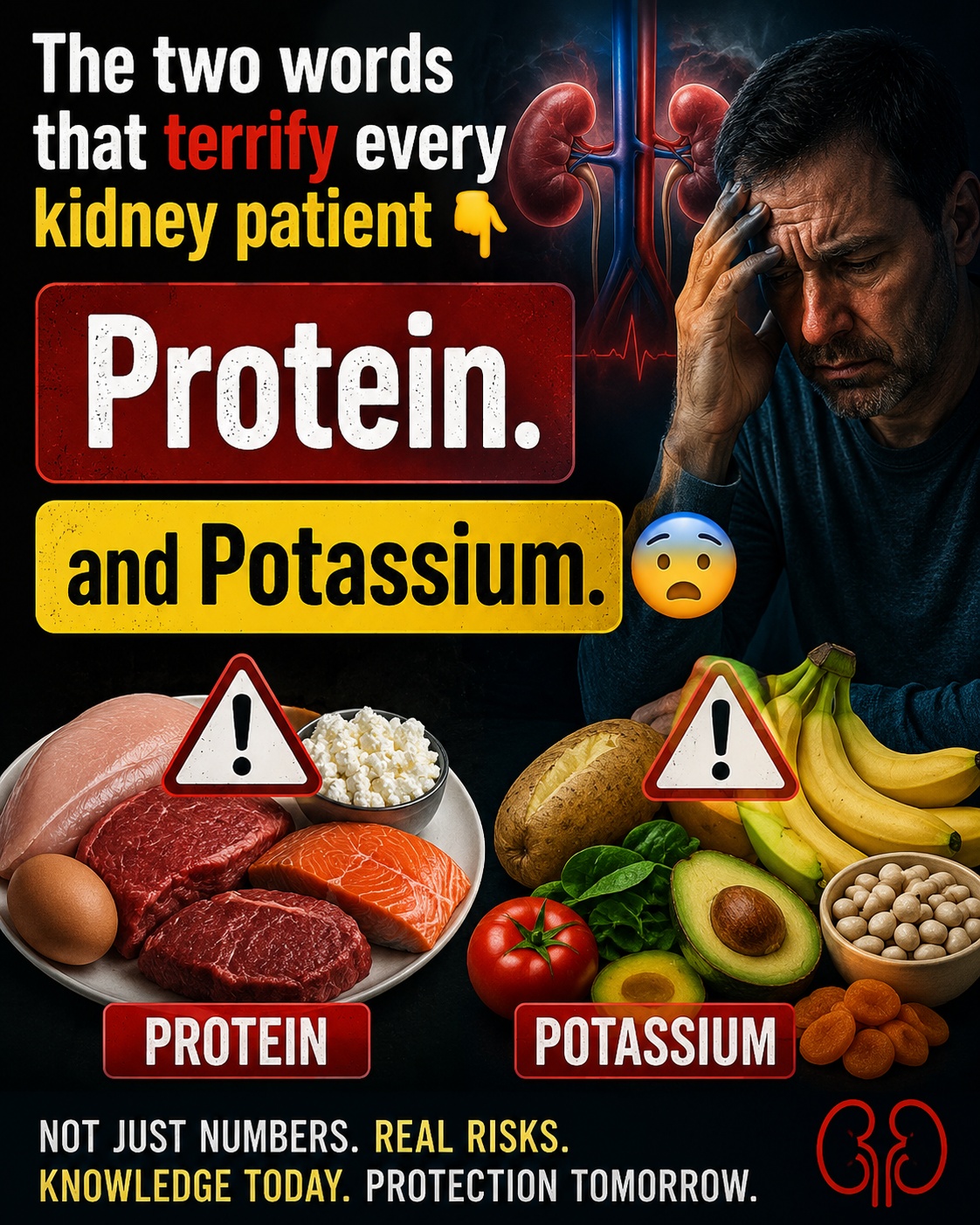
If you are living with kidney disease, there are two words that can instantly create fear and confusion:
Protein.
Potassium.
Questions start racing through your mind:
How much can I eat?
What is safe?
What could damage my kidneys further?
Today, let’s bring clarity to this, because understanding these two nutrients can make a powerful difference in how you manage your health.
Protein often feels like the enemy for kidney patients—but the truth is more balanced.
Your kidneys are responsible for filtering waste products that come from protein metabolism. When kidney function declines, this filtering process becomes less efficient. That’s why excessive protein can put additional strain on the kidneys.
However, eliminating protein completely is not an option.
Your body needs protein to:
Maintain muscle strength
Support immune function
Repair tissues
Instead of removing protein, focus on choosing the right types and controlling portions.
Better protein choices include:
Fresh fish
Egg whites
Moderate portions of chicken
Proteins to limit or avoid:
Red meat
Processed meats (sausages, bacon, canned meats)
These tend to produce more waste, making the kidneys work harder.
Important: Portion control matters more than total elimination. The goal is balance—not restriction without guidance.
Potassium is essential for your body, especially for heart and muscle function.
But when the kidneys are damaged, they may struggle to regulate potassium levels effectively. This can lead to dangerously high potassium levels, which may affect the heart.
If your potassium levels are high, you may need to limit foods such as:
Bananas
Oranges
Tomatoes
Potatoes
Additionally, certain preparation methods can help reduce potassium content in vegetables.
One useful method is leaching:
Peel and cut vegetables into small pieces
Soak them in water
Boil them and discard the water
This process can help lower potassium levels in some foods.
If your potassium levels are normal, many of these foods may still be safe in appropriate portions.
Here is the reality many people are not told:
There is no universal diet for kidney disease.
What is safe for one person may be harmful to another.
Why?
Because everything depends on:
Your stage of kidney disease
Your lab results
Your potassium levels
Your overall health condition
This is why guessing—or following generic advice—can be dangerous.
Managing kidney health through nutrition requires precision.
A structured, personalised approach ensures that:
You are not over-restricting important nutrients
You are not unknowingly consuming harmful levels
Your diet evolves with your condition
Food can support your body—but only when used correctly and intentionally.
Protein and potassium do not have to be feared—but they must be understood.
With the right guidance, balance, and awareness, you can make food choices that support your kidneys rather than stress them.
If you are currently navigating kidney disease, the most important step is this:
Stop guessing. Start working with your numbers.
Because your body is unique—and your nutrition plan should be too.
If you would like guidance tailored to your specific condition:
Know your current lab results
Understand your kidney stage
Get clarity on what YOUR body needs
The right knowledge can change everything.
To get started:
WhatsApp: +234 814 151 7724
Telegram: https://t.me/UzorPetersOrganics
0 Comments
Write a Comment